Two very different ownership structures
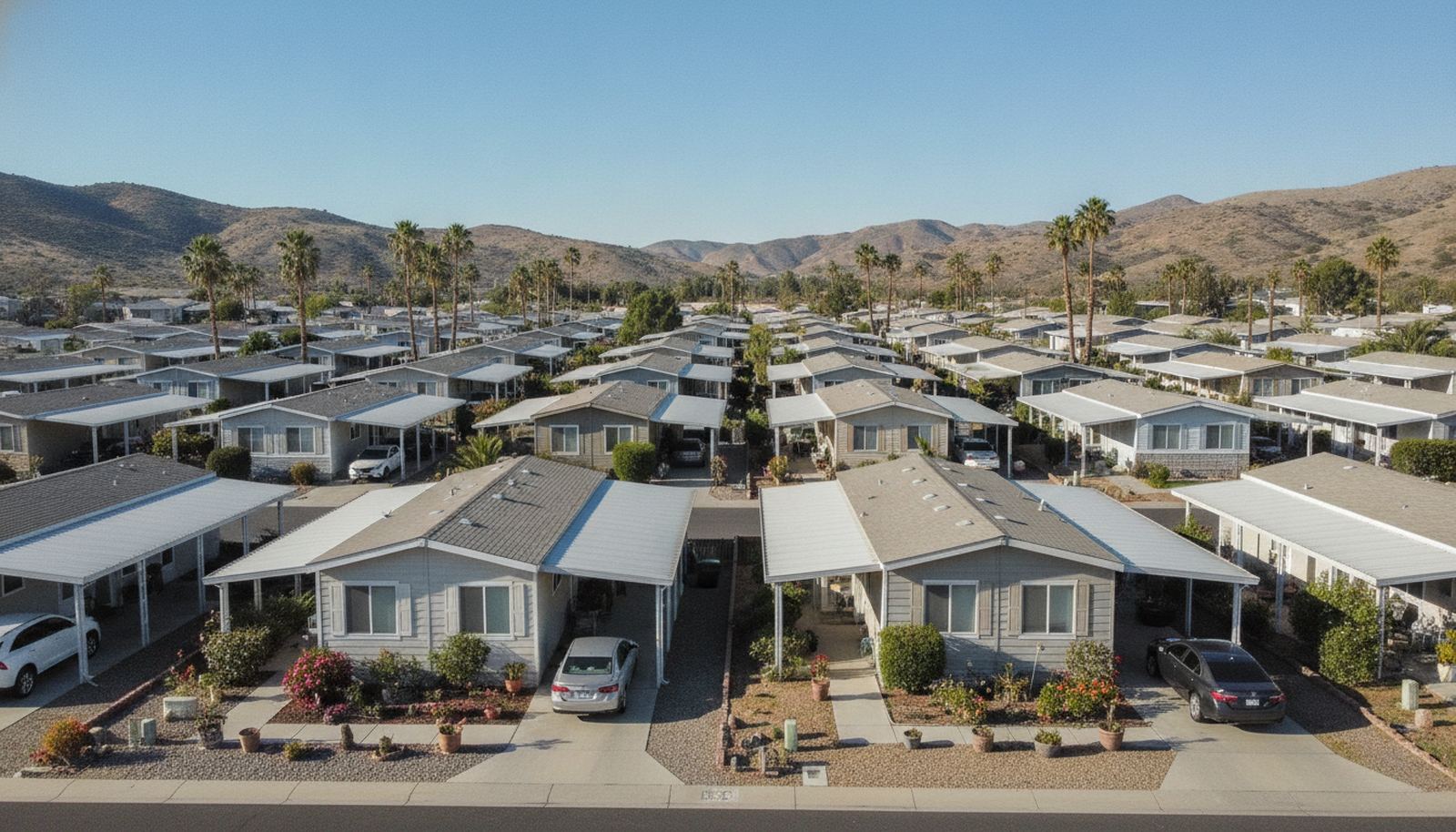
Manufactured and mobile homes are a significant part of El Cajon's housing, especially across the flatter northern districts near Gillespie Field and along the older commercial corridors. Most sit in land-lease communities, where the homeowner owns the home itself but rents the space beneath it from the park. A smaller number occupy lots the owner holds outright, either as individual parcels or within resident-owned communities where residents share ownership of the land through a corporation or cooperative. The distinction is fundamental. A home on leased space is often personal property, titled and registered through the California Department of Housing and Community Development rather than recorded with the county like a house. A home permanently affixed to owned land, with the proper filings, can be converted to real property and valued much like a conventional residence. Identifying which structure applies is the first step in any appraisal of a manufactured home.
Valuing homes in land-lease parks
In a land-lease community, the home's value is closely tied to the terms of occupancy. Monthly space rent, the length and conditions of any lease, the rules governing future rent increases and the park's amenities all influence what a buyer will pay. Two nearly identical homes can sell at very different prices if one sits in a park with lower rent or more favorable terms. The appraiser looks first for sales within the same park, because they share the same rent structure, amenities and management. Sales from other parks are used with care and adjusted for differences in space rent and amenities. The home's age, size, condition, number of sections, roofing, skirting and additions such as carports, awnings and sheds are described. HCD records help confirm the home's identity, manufacture date and any recorded alterations, and the report notes what documentation was reviewed.
Homes on owned land
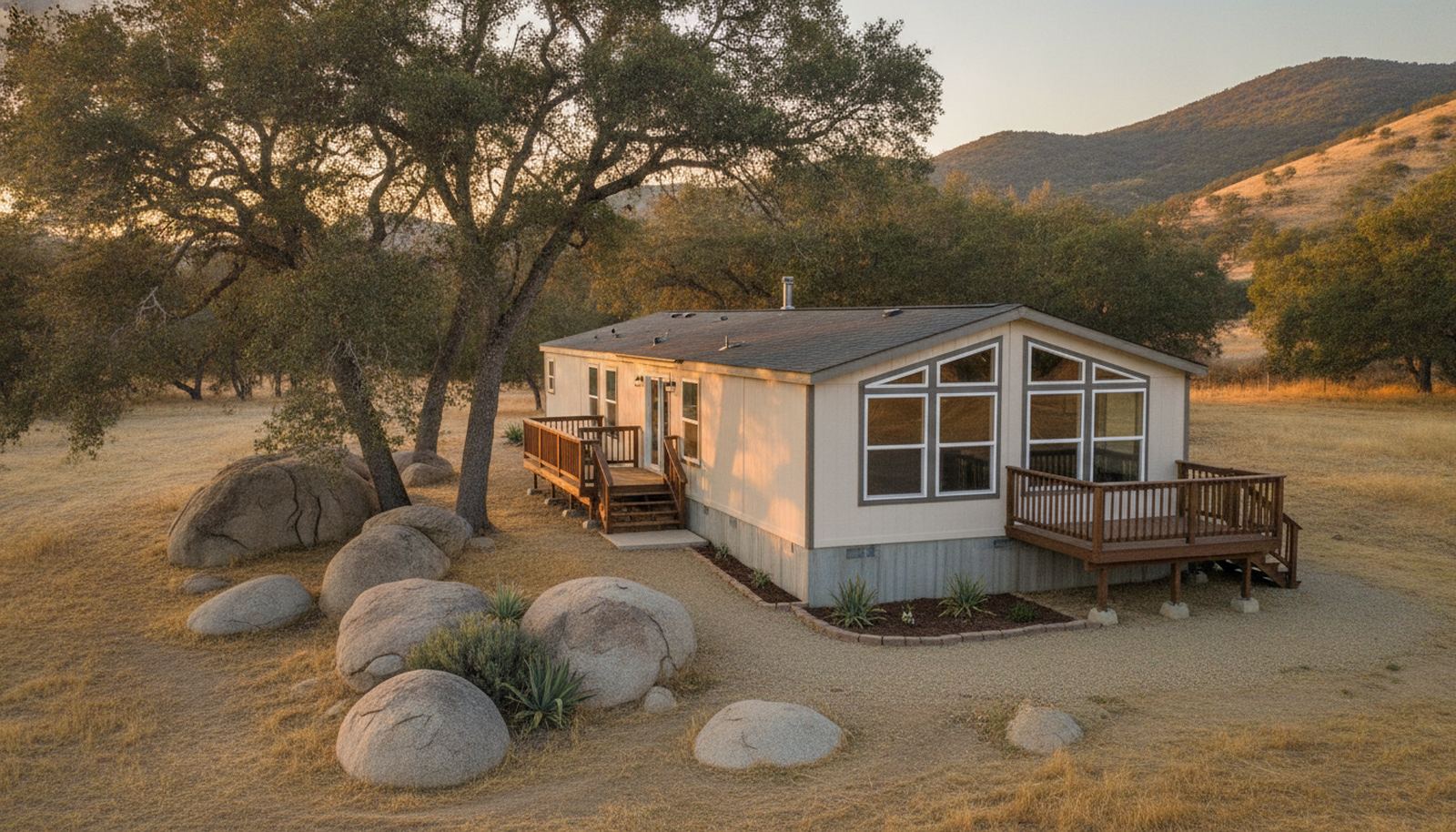
When a manufactured home sits on land the owner holds, the analysis widens to include the land itself. The appraiser weighs location, utilities, zoning and lot size, and checks whether the home sits on a permanent foundation and was converted to real property with the proper HCD filing. Comparables ideally include other manufactured homes on owned lots in similar settings, though such sales can be limited in El Cajon. Where necessary, the appraiser may reference land sales and conventional home sales with careful adjustment for construction type, age and market acceptance. In unincorporated areas with El Cajon addresses, such as parts of Crest, Dehesa or Blossom Valley, owned-lot manufactured homes may rely on septic systems or wells, which also bear on value. Resident-owned communities fall between the two models, combining shared land ownership with association rules, and require review of the community's governing documents.
Practical points for estates and transfers
Manufactured homes frequently appear in estates, trusts and family transfers, and the paperwork can be less familiar than for a conventional house. Heirs should gather the HCD registration or title, any park lease and rent statements, community rules, receipts for major repairs and records of additions or permits. For a home in a park, it helps to know whether the park must approve a buyer and what conditions apply to a sale. For a past effective date, the appraiser looks at the park's conditions and space rent as they were at that time, not just as they are now. Property tax treatment can also differ, as some older homes are still taxed through annual HCD registration while others appear on the county assessment roll, and that history may be relevant for tax-related assignments. Brian explains in the report how the land tenure, title status and available records shaped the analysis.
This note is general information about appraisal practice, not legal or tax advice.