How assets fit into the affidavit
Form I-864 requires a sponsor to demonstrate income at or above a set percentage of the federal poverty line for their household size. When income alone falls short, the sponsor may add the value of assets. Generally, total net assets must equal five times the difference between the required income and actual income. For the spouse or child of a U.S. citizen, the multiple is generally three, and for certain orphan adoption cases it is one. These rules come from USCIS instructions and regulations, which can change. An immigration attorney should confirm the current requirements for any specific case before relying on them.

Net equity, not market value
A home's market value is not what counts on the affidavit. USCIS looks at net value: the appraised value minus any liens, including deeds of trust and any other recorded debt. A house worth a large sum but carrying a big balance may contribute very little. USCIS instructions call for evidence of value, and an appraisal by a licensed appraiser is the standard way to support it, along with proof of ownership and statements showing what is owed. Brian provides the appraisal. The sponsor gathers ownership and lien documents, and the immigration attorney or preparer puts the full package together for filing.
Recency and the effective date
USCIS generally expects asset evidence to be current, so an appraisal from several years ago may not carry much weight. Brian sets the effective date close to the filing or response date and states it plainly in the report. An updated value may be prudent if the filing is held up or if a request for evidence comes much later. The report identifies the property, the owner, the methods used and the comparable sales relied on, so a reviewing officer can see how the number was reached. The sponsor's attorney can weigh in on whether a desktop report suffices or an inspected report would better answer a skeptical officer.
Responding to a request for evidence
Some sponsors first learn they need an appraisal when USCIS issues a request for evidence questioning the asset figure. Those requests come with deadlines, so prompt action matters. Brian can prioritize these assignments and prepare a report that addresses the property's value directly. The sponsor or attorney should share the relevant portion of the request so the report covers what the officer asked about. Brian does not provide immigration advice, interpret USCIS decisions, or communicate with the agency. Strategy for responding to the request remains with the sponsor's immigration attorney, who knows the full case history and current policy. A late or incomplete response can delay the case.
In El Cajon and East County
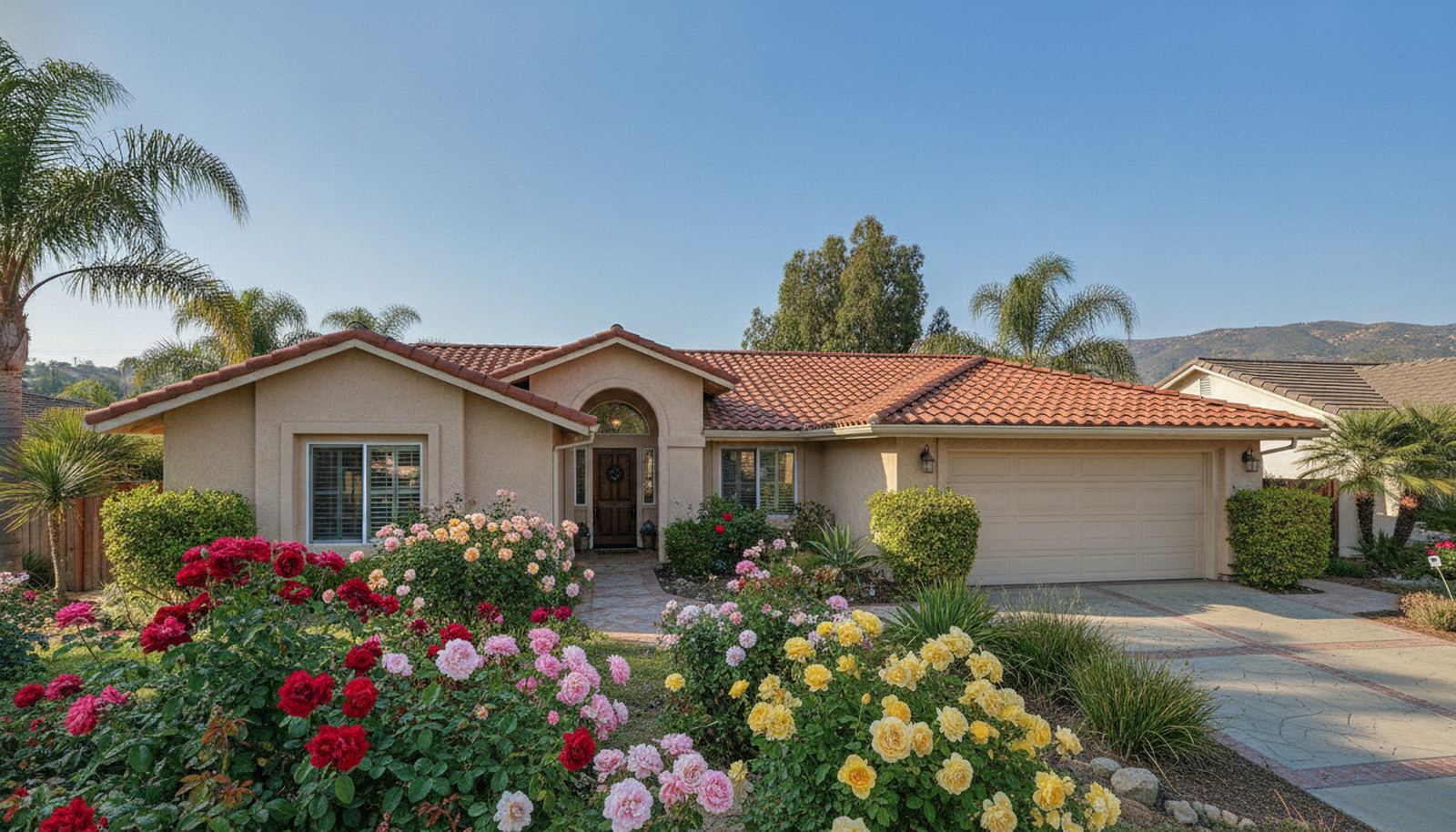
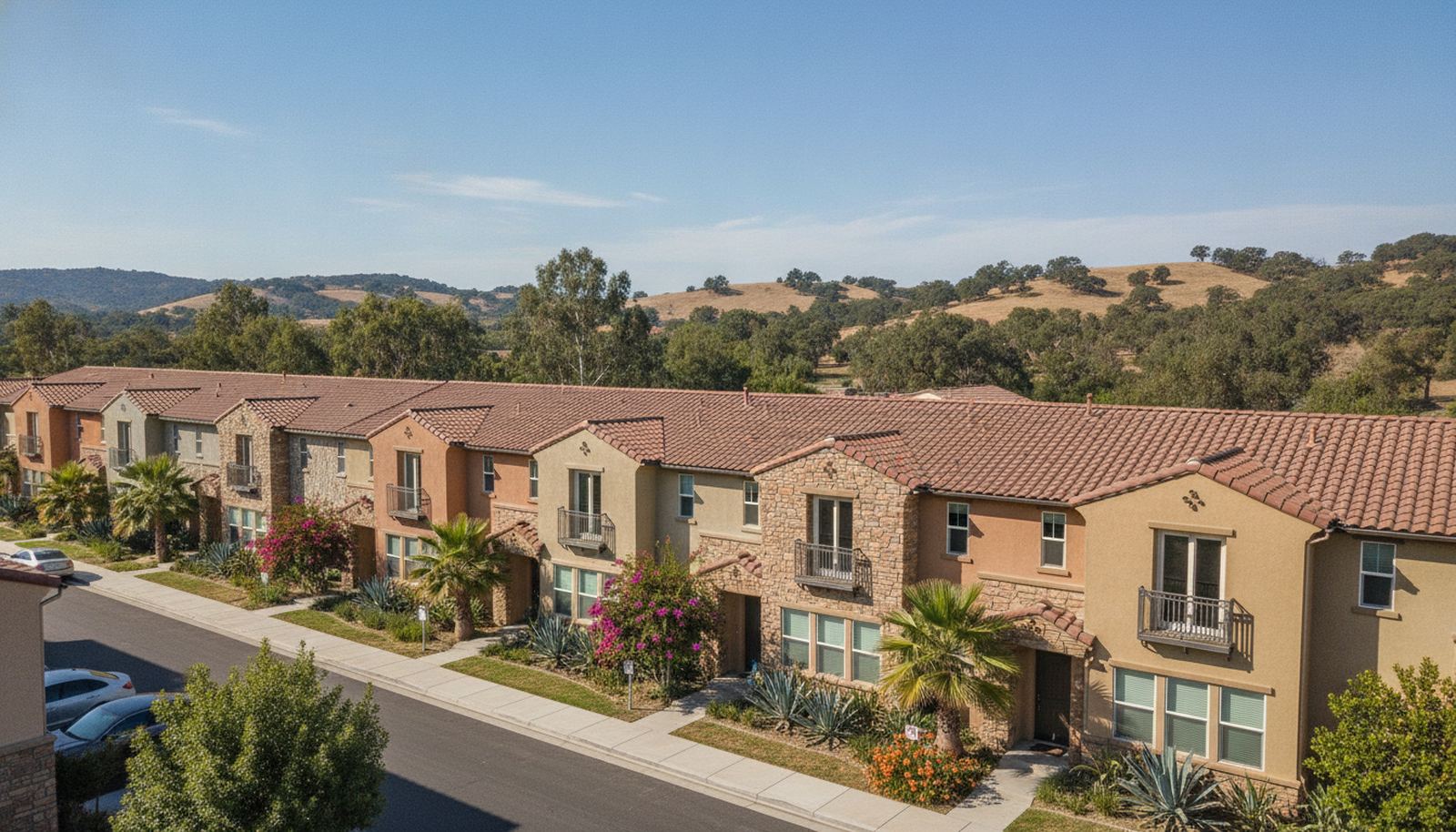
Sponsors in El Cajon frequently own houses in the valley that they bought years ago and have paid down substantially. That built-up equity in a Fletcher Hills ranch, a Rancho San Diego townhome or an older home near Magnolia Avenue can make a real difference on Form I-864. Because USCIS counts only net value, Brian's market value opinion, paired with current lien statements, gives the sponsor's attorney a clear, documented equity figure to present.

Have these ready
- Property address and names of all owners on title
- Current statements for any deeds of trust or other recorded liens
- Copy of the grant deed or recent property tax bill
- Immigration attorney or preparer's name and contact details
- Filing or response deadline, including any RFE due date
- Relevant section of the RFE, if one was issued
Report options and fees
| Report | What it involves | Where offered | Starting fee |
|---|---|---|---|
| Basic Desktop | No site visit. A compact, records-driven value opinion with the closest sales. | Anywhere in California | $299 |
| Desktop | No site visit. A fuller write-up with maps, comparable photos and a market-trend study. | Anywhere in California | $449 |
| Desktop 2-4 Unit | No site visit. Duplex through fourplex, weighing sales and rent evidence. | Anywhere in California | $549 |
| Drive-By | Brian photographs the exterior and the street from the curb. | In-person communities only | $649 |
| Standard | Brian walks the interior and exterior, measures and photographs. | In-person communities only | $699 |
| Standard 2-4 Unit | Every unit walked, measured and photographed. | In-person communities only | $799 |
Common questions
Can a jointly owned home count as an asset?
A sponsor generally can count only their own share of an asset, and co-owned property may need extra documentation showing the sponsor's interest. If the other owner is also a household member or joint sponsor, the analysis can change. An immigration attorney should explain how USCIS treats joint ownership in a specific filing. Brian appraises the whole property's market value.
Does the appraisal need to be from a California licensed appraiser?
USCIS instructions refer to an appraisal by a licensed appraiser for real estate used as an asset. Brian holds a California Certified Residential appraiser credential, which covers residential property in this state. The report identifies the license so the reviewing officer can verify it if needed. Ownership and lien records are supplied separately by the sponsor.
What if the equity is still not enough?
Some sponsors combine home equity with savings, investments or a joint sponsor's income to meet the requirement. Whether those options work depends on the household and the immigration category involved. The sponsor's attorney or accredited representative can review the full financial picture and suggest a path that fits current USCIS rules.
Request a uscis form i-864 home equity appraisal quote
Other valuations
- Date-of-Death Appraisal
- Estate and Trust Appraisal
- Divorce Appraisal
- Bankruptcy Appraisal
- Property Tax and Prop 19 Appraisal
- Family Transfer Appraisal
- Pre-Purchase Appraisal
- Pre-Listing Appraisal
- Insurance Claim Appraisal
- Bail Bond Property Appraisal
- Expert Witness and Litigation Appraisal
Brian provides valuation opinions only. Legal and tax questions belong with your attorney or CPA.