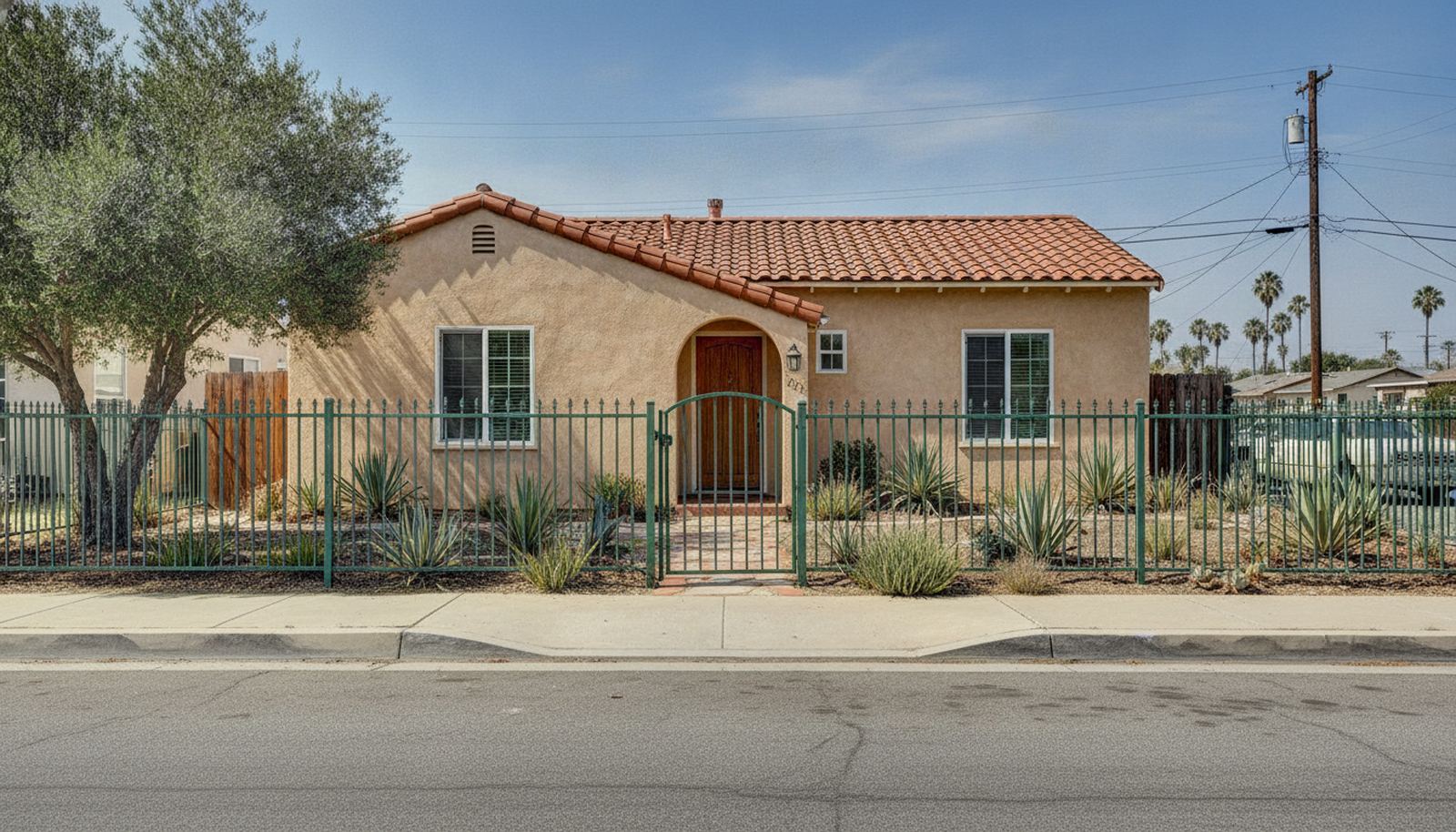
How property bonds use equity
In California, real property can serve as collateral for a bail bond, either through a bail agent or, in some situations, as a property bond posted directly with the court. The key figure is equity: market value minus everything recorded against the title. Agents and courts look for enough equity to cover the bond, often with a cushion. A professional appraisal documents the market value half of that calculation. Lien balances come from payoff statements and title records. Brian supplies the value and explains how it was reached. Specific requirements vary by agent and by court, and the family's attorney or bail agent can confirm them.

Speed with substance
Bail situations move fast, and families are understandably anxious. Brian prioritizes these assignments and keeps the report focused on what the agent or court needs to see. Speed does not mean cutting corners, though, and the report is written to be read by someone skeptical. The analysis still relies on verified sales, sensible adjustments and an honest description of the property. A rushed estimate that overstates value can backfire if the agent rejects it or if the collateral later has to be enforced. Brian will explain what a desktop report can and cannot show compared with an inspected report, so the family picks the option that fits the deadline.
Who owns the property matters
The person pledging the home must have authority to do so. If a parent, sibling or friend owns the property, or if several people share title, each owner usually has to sign. Homes held in a trust may require the trustee's signature and a review of the trust's terms. Brian appraises the property regardless of how title is held, but he is not the person who decides whether the pledge is valid. The bail agent, the court clerk or an attorney will review title documents. Having a current deed or title report ready at the start avoids delays later in the process.

Understanding the risk to the owner
Pledging a home is a serious step. If the defendant misses court dates and the bond is forfeited, the owner may lose equity or face a lien enforcement process. An appraisal does not reduce that risk, but it does help the owner understand what is at stake by showing how much equity is being committed. Brian provides an objective figure without any interest in whether the bond is written. Owners with questions about their obligations, the forfeiture process or how to protect themselves should talk to a criminal defense attorney or a real estate attorney before signing any collateral agreement.
In El Cajon and East County
Downtown El Cajon is home to the county's East County courthouse on East Main Street, and families with cases there sometimes look to a relative's house for collateral. El Cajon homeowners who bought decades ago often hold substantial equity even in modest tract houses near Fletcher Parkway or off Avocado Avenue. Condos and mobile homes are trickier, since HOA liens or space-rent arrangements can complicate what an agent will accept. Brian appraises the property and leaves those acceptance questions to the agent.

Have these ready
- Property address and current owners on title
- Name and contact details of the bail agent
- Bond amount and any deadline the agent has set
- Recent payoff statements or a list of recorded liens
- Copy of the grant deed or a preliminary title report
- Access instructions if an interior visit is needed
Report options and fees
| Report | What it involves | Where offered | Starting fee |
|---|---|---|---|
| Basic Desktop | No site visit. A compact, records-driven value opinion with the closest sales. | Anywhere in California | $299 |
| Desktop | No site visit. A fuller write-up with maps, comparable photos and a market-trend study. | Anywhere in California | $449 |
| Desktop 2-4 Unit | No site visit. Duplex through fourplex, weighing sales and rent evidence. | Anywhere in California | $549 |
| Drive-By | Brian photographs the exterior and the street from the curb. | In-person communities only | $649 |
| Standard | Brian walks the interior and exterior, measures and photographs. | In-person communities only | $699 |
| Standard 2-4 Unit | Every unit walked, measured and photographed. | In-person communities only | $799 |
Common questions
How much equity do bail agents usually require?
Requirements vary by agent and situation, and many look for equity comfortably above the bond amount. Courts that accept property bonds directly have their own rules. The bail agent or the family's attorney can explain the specific threshold. Brian provides the market value side of the calculation, and liens are subtracted separately.
Can a home held in a living trust be used?
Often it can, but the trustee typically has to sign, and the trust terms may matter. The bail agent or an attorney should review the trust before the pledge. The appraisal itself works the same way for trust property, since it measures market value regardless of how title is held.
How quickly can the appraisal be finished?
Bail assignments are treated as time-sensitive, and Brian will give a realistic delivery estimate when the order is placed. Turnaround depends on access to the property, how complex it is and how much documentation is ready. Having the deed, lien information and the agent's contact details handy speeds things up considerably.
Request a bail bond property appraisal quote
Other valuations
- Date-of-Death Appraisal
- Estate and Trust Appraisal
- Divorce Appraisal
- Bankruptcy Appraisal
- Property Tax and Prop 19 Appraisal
- Family Transfer Appraisal
- Pre-Purchase Appraisal
- Pre-Listing Appraisal
- Insurance Claim Appraisal
- Expert Witness and Litigation Appraisal
- USCIS Form I-864 Home Equity Appraisal
Brian provides valuation opinions only. Legal and tax questions belong with your attorney or CPA.