Market value is not replacement cost
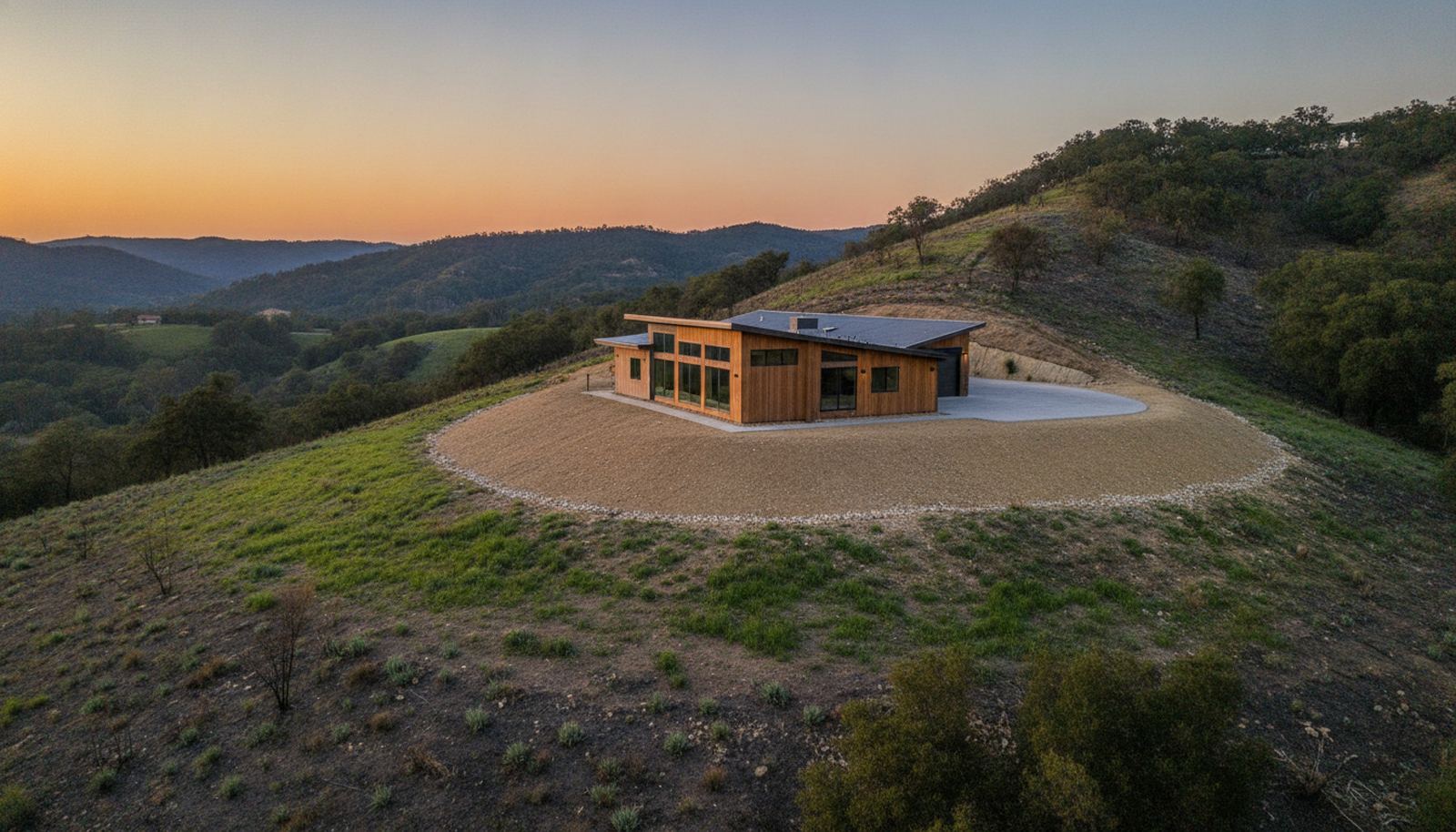
Most homeowners policies pay based on the cost to repair or rebuild, not on what the house would sell for. Those numbers can be very different. A small, older house on a large lot might sell for far more than it would cost to rebuild, while a custom home in a remote area might cost more to rebuild than it would fetch. Brian appraises market value. He does not estimate construction costs or interpret coverage. Owners should understand which figure their claim actually requires, and a public adjuster or coverage attorney is the right person to confirm that before an appraisal is ordered.

Before and after the loss
Some claims and disputes turn on diminution in value, meaning how much less the property is worth because of an event. That can arise from a fire that damaged part of a lot, a landslide, a neighboring construction defect, or a contaminated water source. Brian can develop a value as of just before the event and another reflecting the condition afterward, explaining the evidence for each. These assignments require careful thought about which comparable sales reflect a similar stigma or physical problem. The difference between the two figures is an analytical result, and the attorney decides how it fits within the claim.
Retrospective dates after a disaster
When a home is destroyed, the appraisal often needs a pre-loss effective date, and the house may no longer exist to be seen. Brian works from county records, prior listing photos, permits, owner photos and any surviving documentation to describe what was there. The report states those sources and the assumptions made about condition. This kind of reconstruction is slower and requires good cooperation from the owner, who usually knows details no public record shows. Starting early, while memories and files are fresh, produces a stronger report and fewer gaps for an insurer to question. Even a casual video clip from a past holiday can help.
Working with adjusters and attorneys
Insurance matters often involve several professionals: the carrier's adjuster, a public adjuster hired by the owner, contractors, and sometimes an attorney. Brian communicates through whoever engages him and keeps the scope narrow and well defined. He does not negotiate with the insurer, contact the carrier on the owner's behalf, or advise on settlement offers. The report can be a desktop report when the property is gone or inaccessible, or an inspected report when there is something to see. If the claim moves into appraisal provisions under the policy, litigation or mediation, the attorney determines how the analysis is used and whether testimony is needed.
In El Cajon and East County
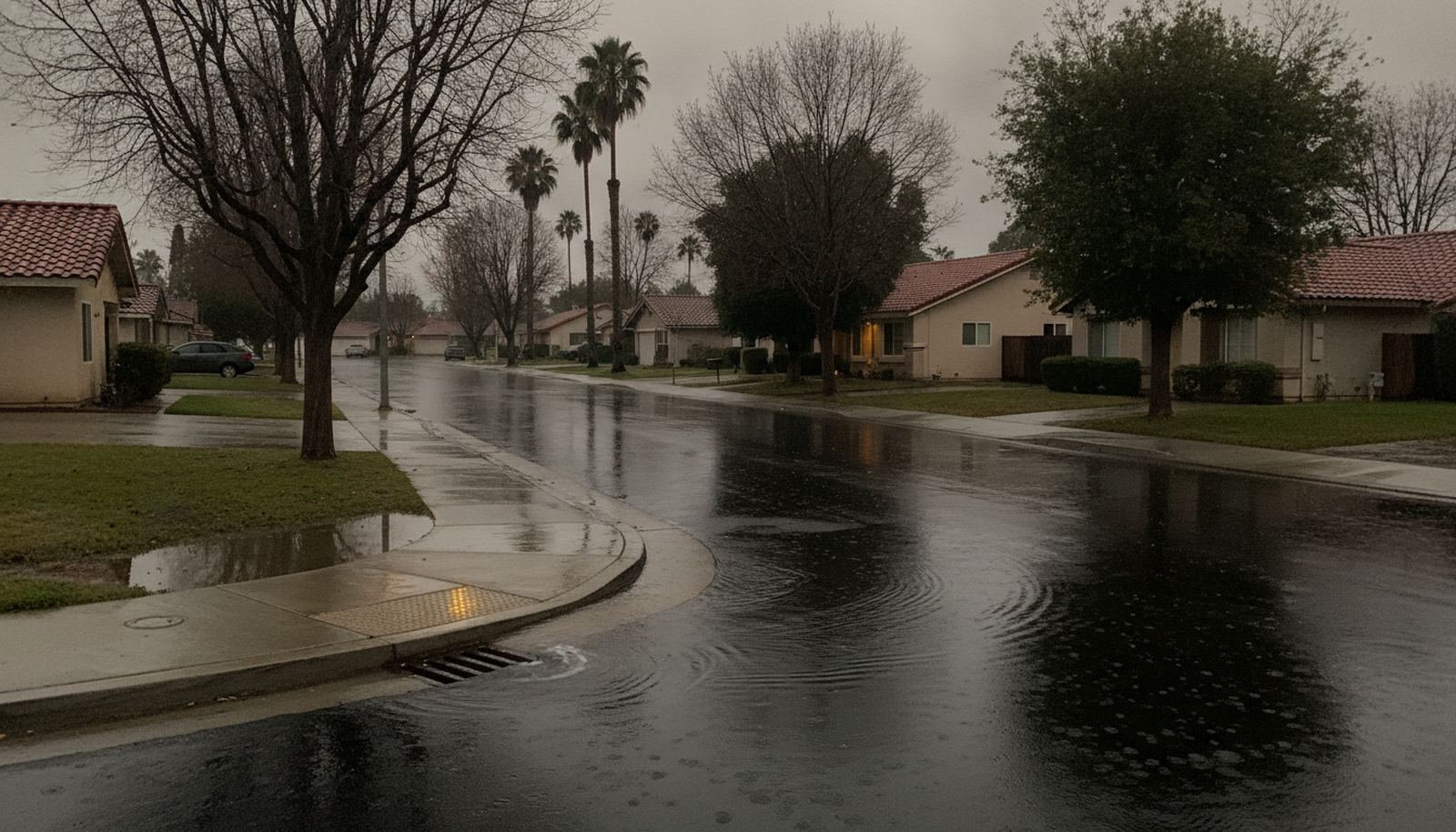
East County has a long wildfire history, including the 2003 Cedar Fire that burned through communities such as Crest and Harbison Canyon just outside El Cajon. Hillside parcels with chaparral nearby face ongoing fire exposure, while low-lying blocks along Forester Creek and other drainages in the valley have seen flooding in heavy storms. Owners dealing with a loss in these areas often need a pre-loss value supported by local sales, along with an honest look at how buyers treat burn scars and drainage problems afterward.
Have these ready
- Date of loss and a short description of the event
- Claim number and the adjuster's name, if applicable
- Pre-loss photos of the home's interior and exterior
- Permits, plans or receipts for past improvements
- Name of the public adjuster or attorney involved
- Repair estimates or reports prepared so far
Report options and fees
| Report | What it involves | Where offered | Starting fee |
|---|---|---|---|
| Basic Desktop | No site visit. A compact, records-driven value opinion with the closest sales. | Anywhere in California | $299 |
| Desktop | No site visit. A fuller write-up with maps, comparable photos and a market-trend study. | Anywhere in California | $449 |
| Desktop 2-4 Unit | No site visit. Duplex through fourplex, weighing sales and rent evidence. | Anywhere in California | $549 |
| Drive-By | Brian photographs the exterior and the street from the curb. | In-person communities only | $649 |
| Standard | Brian walks the interior and exterior, measures and photographs. | In-person communities only | $699 |
| Standard 2-4 Unit | Every unit walked, measured and photographed. | In-person communities only | $799 |
Common questions
Will an appraisal tell me how much the insurer should pay?
No. Payment depends on the policy terms, coverage limits and the type of loss. An appraisal provides market value or a change in market value, which may or may not be the figure the claim turns on. A public adjuster or coverage attorney can explain which numbers matter under a specific policy.
Can a home that burned down still be appraised?
Yes. The appraisal uses a pre-loss effective date and relies on records, photos and owner information to describe the home that existed. The report explains those sources and states any assumptions. The more documentation the owner can provide, the stronger and more detailed the description of the original property will be.
Does this match the appraisal clause found in my policy?
Not necessarily. A lot of policies include an appraisal provision to settle disagreements over the amount of a loss, which has its own process and typically centers on repair costs. Brian's real estate appraisal addresses market value. An attorney or public adjuster can explain whether and how a market value report fits into that process.
Request a insurance claim appraisal quote
Other valuations
- Date-of-Death Appraisal
- Estate and Trust Appraisal
- Divorce Appraisal
- Bankruptcy Appraisal
- Property Tax and Prop 19 Appraisal
- Family Transfer Appraisal
- Pre-Purchase Appraisal
- Pre-Listing Appraisal
- Bail Bond Property Appraisal
- Expert Witness and Litigation Appraisal
- USCIS Form I-864 Home Equity Appraisal
Brian provides valuation opinions only. Legal and tax questions belong with your attorney or CPA.