Why the effective date matters
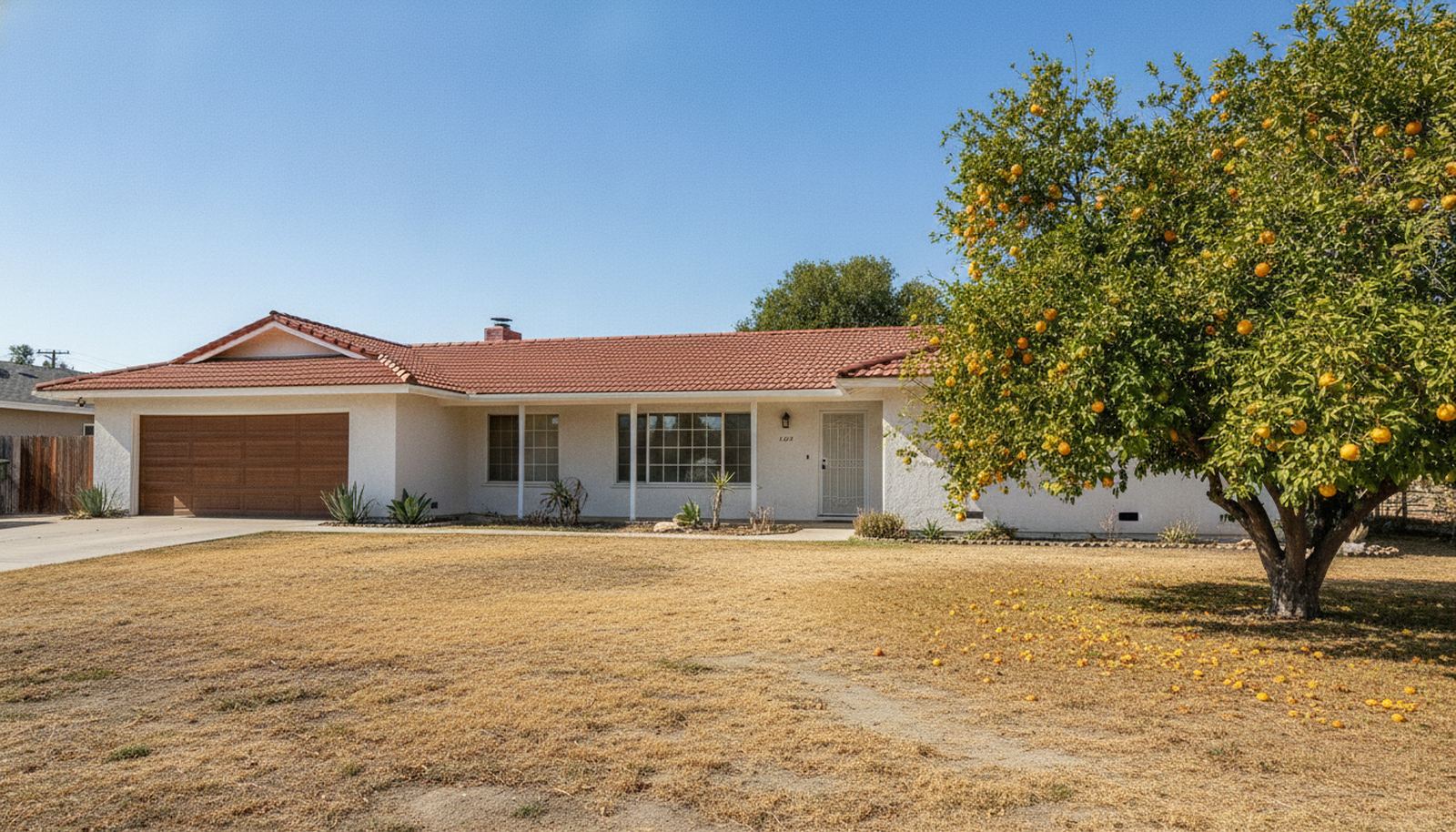
A date-of-death value looks backward. The appraiser sets the effective date to the day the owner passed and asks what a buyer and seller would likely have agreed on at that moment. Sales that closed months later can still help, but only after they are weighed for market shifts in between. In a period when San Diego County prices moved quickly, even a gap of six months can change the answer by a noticeable amount. Brian reviews sales from before and after the date, studies listing activity, and reconciles them so the final figure reflects the market that actually existed then. That discipline is what lets the number hold up later if a tax preparer, a beneficiary, or a court asks how it was reached.

Stepped-up basis and the tax picture
Internal Revenue Code section 1014 generally resets the cost basis of inherited property to what it was worth on the market at the time of death. That stepped-up figure can shrink or erase capital gains when heirs later sell. A well-supported appraisal becomes the evidence for that basis, so it should be prepared with care rather than guessed from an online estimate. Brian provides the value opinion and the reasoning behind it. How the figure is reported, whether an estate tax return is required, and what elections make sense are questions for the family's CPA or estate attorney, and those professionals should make those calls.
Condition as of the date, not today
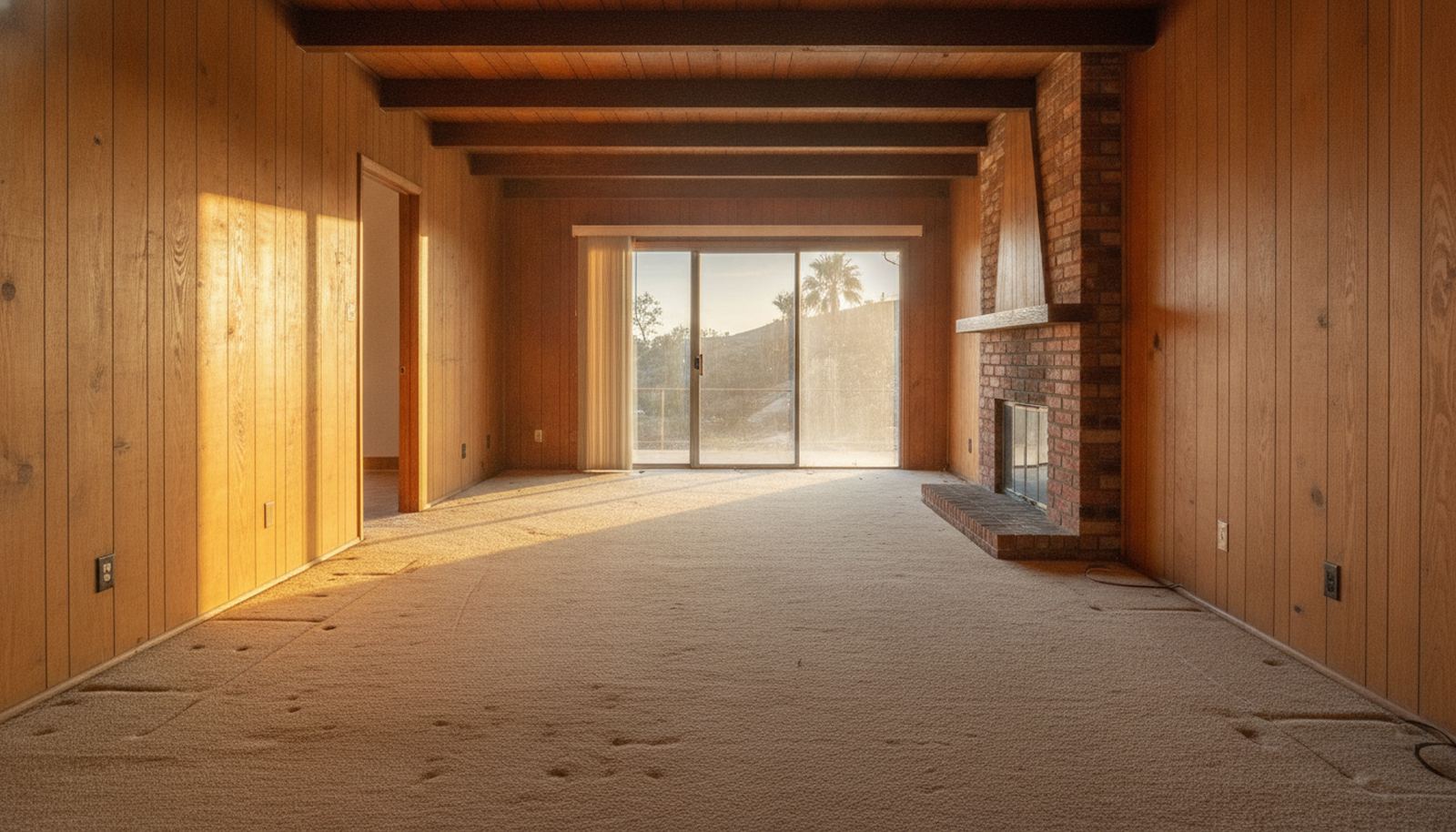
Houses change after an owner passes. Relatives clear out furniture, a roof leak goes unnoticed for a winter, or someone starts repairs before the appraisal is ordered. None of that should drive a retrospective value. Brian asks how the home looked on the effective date and reconstructs it using photos, listing records, permits and what family members remember. When improvements were made afterward, the report describes the property as it stood before them. When deterioration happened later, that is set aside too. Being clear about this assumption in writing protects everyone who relies on the figure, and it keeps a later sale price from being confused with the date-of-death number.
How the finished report gets used
Families usually hand the report to a tax preparer, a probate attorney, or a successor trustee. Some keep it in the file for years until the house is sold, which is exactly why the reasoning needs to be readable without anyone calling to explain it. Brian writes a narrative that names the comparable sales, describes the adjustments, and states the effective date in plain terms. Some families need only a desktop report; others want an inspected report, and that scope gets settled before research starts. Questions about what a court or the IRS will accept should go to the client's attorney or CPA.
In El Cajon and East County
Many El Cajon homes passing through estates today were bought in the 1960s and 1970s and held by one owner ever since, so original kitchens, single-pane windows and unpermitted patio rooms are common. That makes condition on the date of death a central question. Valley-floor tracts near Bostonia and Fletcher Hills trade very differently from view lots on Mount Helix, and a mobile home in a rented-space park off Broadway or Greenfield Drive is titled through the state housing department, which calls for a different valuation approach than a house on its own lot.
Have these ready
- Date of death and a copy of the death certificate if available
- Property address and assessor parcel number
- Any photos of the home from around that date
- Notes on repairs or changes made since the owner passed
- Name of the attorney, CPA or trustee who will receive the report
- Recent tax bill or grant deed
Report options and fees
| Report | What it involves | Where offered | Starting fee |
|---|---|---|---|
| Basic Desktop | No site visit. A compact, records-driven value opinion with the closest sales. | Anywhere in California | $299 |
| Desktop | No site visit. A fuller write-up with maps, comparable photos and a market-trend study. | Anywhere in California | $449 |
| Desktop 2-4 Unit | No site visit. Duplex through fourplex, weighing sales and rent evidence. | Anywhere in California | $549 |
| Drive-By | Brian photographs the exterior and the street from the curb. | In-person communities only | $649 |
| Standard | Brian walks the interior and exterior, measures and photographs. | In-person communities only | $699 |
| Standard 2-4 Unit | Every unit walked, measured and photographed. | In-person communities only | $799 |
Common questions
Can a date-of-death value be done years after the person passed?
Yes. Retrospective appraisals are standard, and sales data goes back enough years to support effective dates well in the past. The main challenge is reconstructing the home's condition at that time, so older photos and repair records become more important as the gap grows. Brian will state clearly in the report which facts were verified and which came from family information.
Should the value be high or low for tax purposes?
The value should be accurate. An appraiser who aims for a particular direction is not providing an independent opinion, and an inflated or deflated figure can create problems later. Brian reports the market value the evidence supports. How that number affects capital gains or any estate filing is something to review with a CPA or tax attorney.
Does the home have to be cleared out beforehand?
No. Personal belongings, boxes and furniture have no effect on the real estate's market value. What matters is the structure, the finishes and the condition on the effective date. If the home has been altered since then, simply tell Brian what changed so the report can describe the property as it was.
Request a date-of-death appraisal quote
Other valuations
- Estate and Trust Appraisal
- Divorce Appraisal
- Bankruptcy Appraisal
- Property Tax and Prop 19 Appraisal
- Family Transfer Appraisal
- Pre-Purchase Appraisal
- Pre-Listing Appraisal
- Insurance Claim Appraisal
- Bail Bond Property Appraisal
- Expert Witness and Litigation Appraisal
- USCIS Form I-864 Home Equity Appraisal
Brian provides valuation opinions only. Legal and tax questions belong with your attorney or CPA.