All six report types
Chula Vista counts as local ground for Brian: he will come out, measure and photograph, or work from records alone if that suits the purpose better.
About Chula Vista
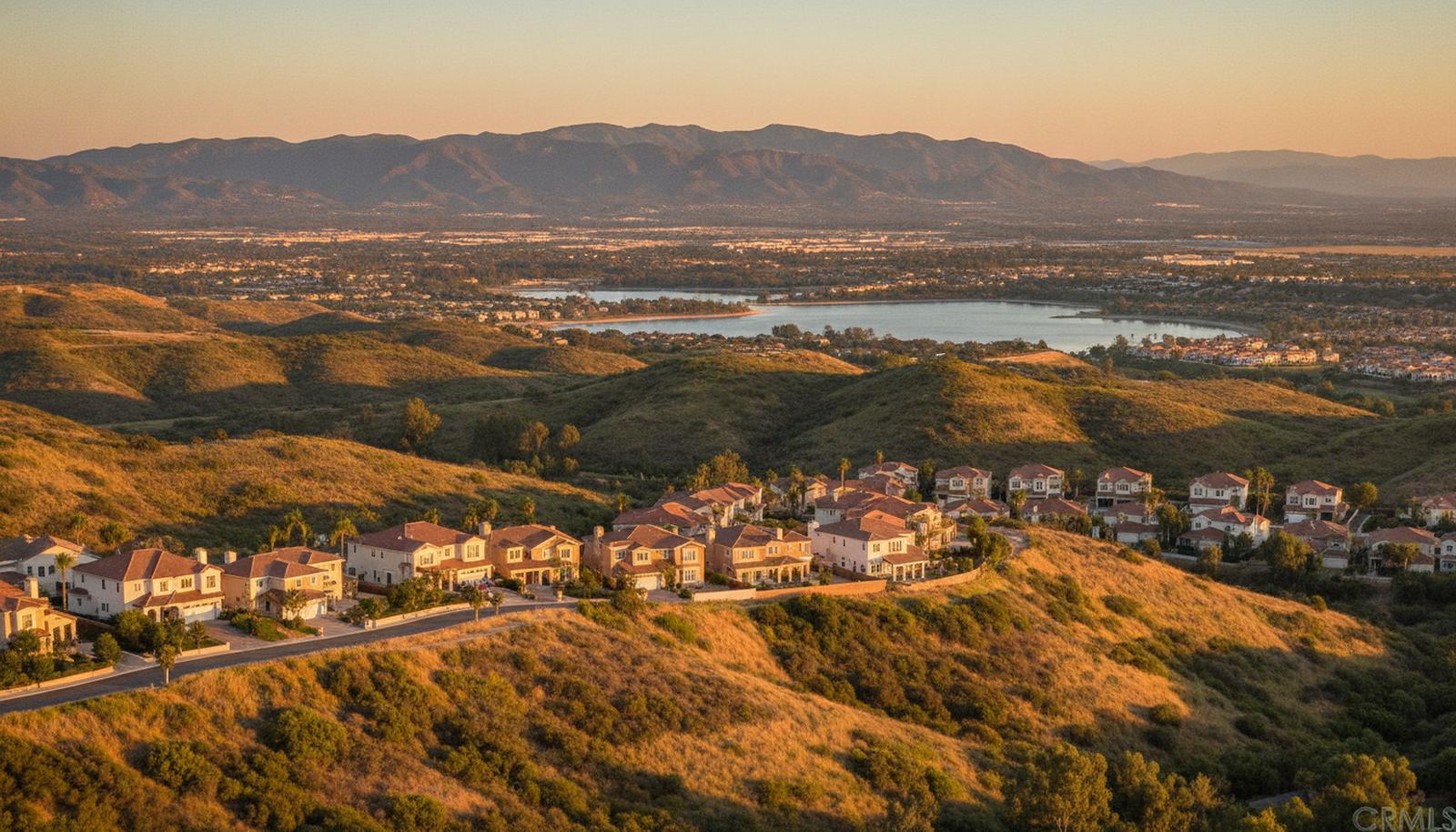
Chula Vista, the county's second-biggest city, stretches about ten miles from the San Diego Bay marshlands eastward to the Otay Lakes reservoirs. Interstate 805 splits it into two halves that feel like separate towns. West of the freeway sit the older grid streets, Third Avenue Village and the bayfront marina. To the east, rolling mesas and canyons carry the newer master-planned communities reached by SR-125. Lemon orchards and the Rohr aircraft plant shaped the early economy, and the Sweetwater River marks much of the northern edge.
Housing you find here
Western Chula Vista holds 1920s and 1930s bungalows near Third Avenue, then large postwar tracts from the 1950s and 1960s with single-story stucco ranch houses on lots near 6,000 square feet. The Montgomery area, annexed in 1985, adds Castle Park and Harborside, where some additions were built under county rules before annexation. Rancho del Rey and Terra Nova brought two-story tracts to the middle of the city during the 1980s and early 1990s, while Eastlake, Otay Ranch, San Miguel Ranch and Rolling Hills Ranch added thousands of detached homes, townhomes and condominiums after the late 1980s.
Value levers in Chula Vista
Location relative to I-805 explains much of the price spread. Homes on the east side generally fetch more but frequently come with Community Facilities District taxes and HOA dues that buyers factor against the price. On the west side, lot size, garage conversions and proximity to the bayfront redevelopment matter more. Views toward the bay or Otay Lakes add value on ridgelines, and homes backing to SR-125, the I-5 corridor or busy arterials such as H Street and Telegraph Canyon Road typically trade at a discount.
Notes for an appraisal here
Garage conversions, enclosed patios and back-house units are common in western tracts, and the appraiser needs to separate permitted square footage from what the assessor shows. For east-side homes, the remaining Mello-Roos obligation belongs in the analysis because it affects what a buyer would pay. Comparable selection should stay on the same side of I-805 whenever possible. Retrospective valuations for estates or Prop 19 claims require sales from the right months, since prices in the newer villages shifted quickly in some years.
Areas and tracts
- Third Avenue Village
- Castle Park
- Rancho del Rey
- Terra Nova
- Eastlake
- Otay Ranch
- San Miguel Ranch
- Rolling Hills Ranch
Local reference points
- Chula Vista Bayfront and Marina
- Third Avenue
- Otay Lakes
- Living Coast Discovery Center
- SR-125 South Bay Expressway
- Sweetwater River
Can a west Chula Vista house be compared to sales in Eastlake or Otay Ranch?
Rarely, and only as a last resort. The two halves of the city attract different buyers, carry different tax burdens and were built decades apart. Brian first searches the subject's own tract or a neighboring postwar subdivision on the west side of I-805 for sales, then accounts for differences in condition, lot size and converted space. When a sale from the east side is used, the report says why and accounts for age, HOA dues and CFD taxes.
ZIP codes: 91910, 91911, 91913, 91914, 91915